Choosing the China best Spermidine Hydrochloride manufacturer requires more than comparing prices. Quality begins with raw material control, accurate identification, and stable production conditions. A dependable supplier should provide a current Certificate of Analysis, HPLC results, impurity data, residual solvent testing, and clear batch traceability. These documents should match the physical product delivered.
Professor Frank Madeo, a leading researcher in spermidine biology, has described spermidine as “a natural polyamine that can stimulate cellular autophagy.” This statement reflects its scientific importance, not a guarantee of medical results. Buyers should avoid manufacturers making exaggerated health claims. Responsible communication matters.
In practical evaluation, request a small sample first. Inspect its appearance, packaging, batch number, and analytical consistency. Ask whether production follows recognized quality systems, such as GMP-based procedures. Confirm the manufacturing site, export experience, storage conditions, and shelf-life evidence. A clean factory is useful, but documented controls are more convincing.
Details reveal reliability. Does the supplier answer technical questions clearly? Can it explain test methods? Does every batch receive independent review? These questions often separate a genuine manufacturer from a trading company.
Still, no supplier is perfect. Certificates can be incomplete, and specifications may differ between markets. Independent testing remains wise. The strongest China Spermidine Hydrochloride manufacturer should combine technical competence, transparent documentation, responsive communication, and consistent batch performance. Price matters, but an unusually low quotation deserves careful reflection. Quality problems usually cost more than prevention.
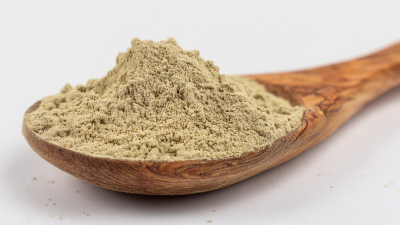
Spermidine hydrochloride is the hydrochloride salt of spermidine, a naturally occurring polyamine. It is commonly supplied as a white or off-white crystalline powder. The material is usually water-soluble and may absorb moisture during storage. Its appearance can vary slightly between production batches.
That matters.
In scientific work, spermidine hydrochloride supports studies of cellular aging, autophagy, gene expression, and polyamine metabolism. It may also serve as an ingredient in nutritional formulations where local regulations permit. These uses do not prove medical benefits. Researchers should review dosage, purity, stability, and intended application separately.
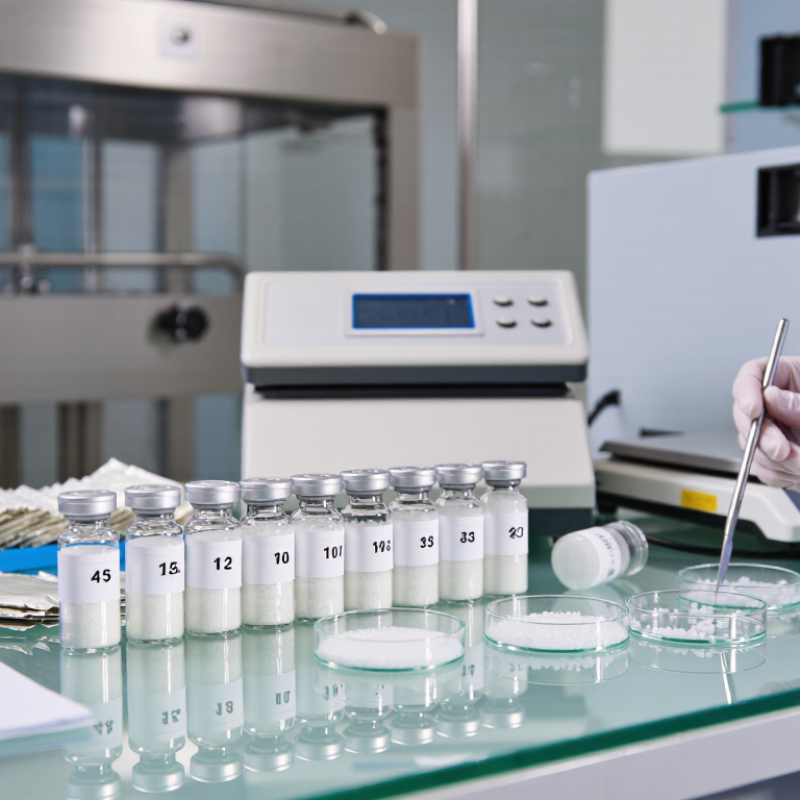
A certificate of analysis should report assay results, identification, water content, heavy metals, and residual solvents. HPLC testing can help confirm identity and quantify related substances.
When evaluating a manufacturer in China, buyers should examine batch traceability, validated testing methods, controlled storage, and documented quality procedures. A reliable supplier should provide representative samples before large-scale purchasing. I would not treat a bright white powder as proof of quality.
Packaging also deserves attention, especially in humid climates. Moisture-resistant bags, sealed containers, and clear storage instructions can protect product consistency.
Specifications may still need improvement after real-use testing. Stability data under the buyer’s conditions is more useful than a generic product sheet.
A Chinese spermidine hydrochloride manufacturer can offer more than a competitive quotation. In practical sourcing, the stronger advantage is an integrated production and testing system. Many Chinese chemical facilities operate near raw-material suppliers, analytical laboratories, and export logistics networks. This proximity can shorten communication cycles and support more stable planning.
Qualified manufacturers should provide a clear specification, recent certificate of analysis, and batch-level traceability. Ask for assay results, moisture data, heavy-metal limits, and microbiological controls when relevant. Independent laboratory testing can verify the supplier’s internal report. It is a worthwhile extra step. Production records should connect incoming materials with the finished lot. That detail matters when investigating a deviation.
Experienced technical teams can also help adjust packaging, documentation, and shipping conditions for different markets. Good communication is measurable. Questions should receive precise answers, not attractive promises. A reliable factory explains its testing methods and admits practical limitations. No supplier is perfect. Some websites look professional but reveal little about process control. Factory audits, sample approval, and small trial orders can expose that gap before larger commitments. Buyers should also review manufacturing qualifications, change-control procedures, and complaint handling. These checks require time, yet they protect product consistency and long-term cooperation. Price matters, but traceable quality matters more when each batch must perform similarly.
Choosing a reliable spermidine hydrochloride supplier requires more than comparing prices. The manufacturer should provide a complete certificate of analysis for every batch. Check identity, assay, moisture, residual solvents, heavy metals, and microbiological limits. Ask for evidence. Independent laboratory testing can confirm whether the reported results are consistent.
A qualified supplier should maintain documented quality systems, controlled production areas, and trained technical staff. GMP-based procedures and relevant ISO certifications can support confidence, but certificates alone are not enough. Request audit records, manufacturing flow details, and a clear batch traceability process. Records matter. Packaging should protect the powder from moisture, light, and contamination during transport.
Practical experience also matters when selecting a long-term partner. Review sample consistency, response speed, lead times, and how complaints are handled. A dependable manufacturer should explain its testing methods without avoiding difficult questions.
Stability data should match the proposed packaging and storage conditions. However, one successful sample does not prove every future batch will perform equally.
I have seen supplier evaluations focus too heavily on documents and overlook communication problems. That is a mistake worth reconsidering. A written specification, retained sample, change-control notice, and pre-shipment inspection can make quality decisions more reliable.
A reliable manufacturing process starts with qualified raw materials and controlled synthesis. Spermidine hydrochloride should be produced under documented GMP procedures, with temperature, pH, reaction time, and impurity formation carefully monitored. Each batch needs traceable records, from material receipt to final packaging.
The FDA’s 2019 Drug Shortages Task Force report found that 62% of shortages involved manufacturing or product-quality problems. This figure shows why process control is not optional.
Product testing should confirm identity, assay, purity, residual solvents, water content, heavy metals, and microbial limits. HPLC or validated chromatographic methods can measure related impurities.
ICH Q2(R2) recommends evaluating specificity, accuracy, precision, linearity, and robustness during analytical validation. Testing should also follow relevant USP or pharmacopoeial methods when applicable. Stability studies should examine temperature, humidity, light exposure, and container compatibility. Real production experience suggests that packaging can change results, yet this factor is sometimes underestimated.
Request a batch-specific certificate of analysis, chromatograms, validation summaries, and stability data. Check whether results come from an independent laboratory. Review the sampling plan, not only the final numbers.
A low assay may indicate process drift, while an unexplained impurity profile deserves investigation.
One limitation remains: published spermidine hydrochloride specifications are not fully uniform across suppliers. Buyers should define acceptance criteria before production, rather than adjust them after testing.
China Best Spermidine Hydrochloride Manufacturer?
How to Evaluate China-Based Spermidine Hydrochloride Manufacturers
A reliable evaluation starts with documented manufacturing evidence, not attractive product pages. Request the facility address, production scope, quality certificates, and recent audit records. Confirm whether the manufacturer produces spermidine hydrochloride directly or relies on undisclosed subcontractors. Clear answers matter.
Ask for a representative certificate of analysis for each batch. It should identify the testing method, assay result, moisture level, residual solvents, heavy metals, and microbiological status. Independent laboratory verification adds credibility. Check whether the laboratory uses validated methods and traceable reference standards. A high purity number alone proves little.
Review batch records, raw-material controls, cleaning procedures, and deviation reports when available. Strong suppliers can explain how they prevent cross-contamination and manage changes. Request samples from different production dates, then compare their appearance, assay, and impurity profiles. Small differences may reveal process instability. Packaging also deserves attention, especially moisture protection and lot coding.
A site audit can expose details that documents miss. Observe material flow, temperature control, warehouse conditions, and instrument calibration. Ask how complaints are investigated and how recalls would be handled. I would not judge reliability from one successful sample. That is an easy mistake. No checklist is perfect. Still, consistent records, transparent communication, and independently supported test data provide a more defensible basis for selecting a China-based spermidine hydrochloride manufacturer.