How to Source High Quality Collagen Hydrolyzed Bovine for 2026?
Sourcing high-quality Collagen Hydrolyzed Bovine requires careful consideration. This essential compound plays a vital role in skin health, joint support, and overall well-being. As the demand increases for effective collagen supplements, identifying reliable sources becomes crucial.
There are numerous suppliers in the market, but not all are equal in quality. It is essential to assess the extraction process, sourcing practices, and certifications of each supplier. Transparency is a key indicator of reliability. Companies that provide documentation on their collagen sourcing tend to uphold higher standards. It's important to question their production methods.
Personal experience often informs choices. Reading reviews and adjusting based on feedback helps refine selections. However, remain wary of overly positive endorsements. Not all products meet individual needs. Some may fall short in efficacy. In seeking the best, we must embrace a mindset of ongoing evaluation and improvement. Finding the right source for Collagen Hydrolyzed Bovine can significantly impact health results.

Understanding Collagen Hydrolyzed Bovine and Its Benefits
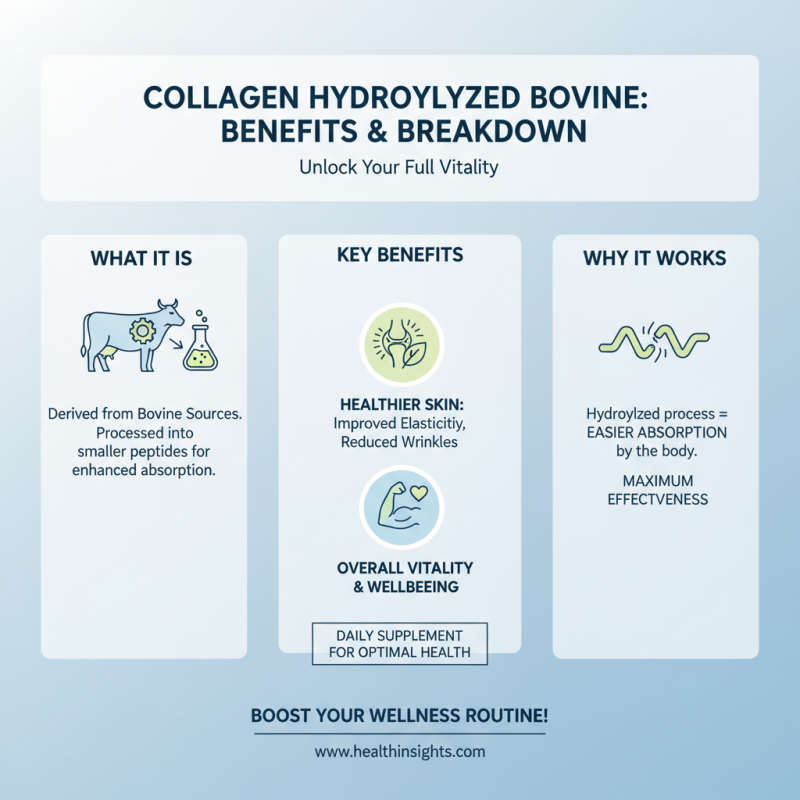
Collagen hydrolyzed bovine is a popular supplement known for its numerous health benefits. It is derived from bovine sources and processed into smaller peptides. This process enhances its absorption and effectiveness in the body. People incorporate it into their daily routines, aiming for stronger joints, healthier skin, and overall vitality. Some studies suggest that hydrolyzed collagen may improve skin elasticity and reduce wrinkles. Being aware of these benefits is crucial for anyone looking for effective supplements.
Sourcing high-quality collagen is vital. Not all collagen products are created equal. Quality can vary significantly among suppliers. Checking for third-party testing is essential. Transparency in sourcing and production processes often indicates higher quality. It's also beneficial to consider the bioavailability of the collagen you choose. Pure, sustainably sourced options tend to offer more significant health advantages. Sometimes, determining the right product can feel overwhelming. Taking the time to research and reflect is essential to making informed decisions.
While many claim remarkable results, the actual effectiveness can differ for individuals. These variances may arise due to personal health conditions or dietary habits. It’s important to adjust expectations accordingly. Additionally, understanding your body’s unique needs plays a crucial role. Engaging with healthcare professionals can provide tailored advice. This ensures you choose the best option for your specific situation.
Identifying Reputable Suppliers for High Quality Collagen
Finding high-quality collagen hydrolyzed bovine requires careful selection of suppliers. Start by looking for suppliers who focus on transparency. They should provide clear information about their sourcing processes. Investigate their raw material origins. Ethical sourcing is more than just a buzzword; it reflects their commitment to quality.
Certification is another essential factor. Suppliers should have certifications to prove their product's safety and efficacy. Look for those with third-party testing reports. These reports ensure that the collagen meets the necessary standards. A reputable supplier should also openly share this data. Quality control processes should be rigorous. It’s helpful to know how often they test their batches.
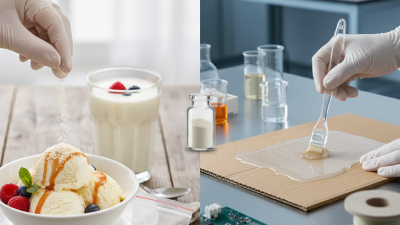
Don’t hesitate to ask questions. A reliable supplier will engage and provide thoughtful answers. If they are vague or dismissive, it might be a red flag. Engaging with other industries that use collagen may yield insights as well. Testimonials from professionals can lend credibility. Always keep an eye out for feedback. Remember to reflect on your own requirements. This can guide you in finding the right supplier for your needs.
Evaluating the Production Process of Collagen Hydrolyzed Bovine
When sourcing high-quality hydrolyzed bovine collagen, the production process is crucial. Each step in this process can affect the final product's purity and efficacy. Starting with the sourcing of raw materials, ensure that bovine hides come from healthy animals. The geographical region and farming practices can influence collagen quality.
The extraction method also plays a vital role. Enzymatic hydrolysis is often preferred, as it preserves amino acid profiles. This method involves specific temperatures and pH levels, which must be monitored closely. Consistency in these parameters ensures that the collagen peptides formed are bioavailable. Testing for contaminants is another essential step. It's necessary to analyze the final product for heavy metals or pathogens, as these can impact safety and effectiveness.
While many producers claim to prioritize quality, not all meet rigorous standards. Seek suppliers with transparency in their practices. Audit reports and certifications can indicate a commitment to high-quality production. Nonetheless, it’s essential to remain aware. Not all certifications guarantee quality, and some may mislead. Engagement with producers directly can provide deeper insights into their processes and quality control measures.
Assessing Quality Control Standards in Collagen Sourcing
When sourcing high-quality hydrolyzed bovine collagen, it is crucial to evaluate the quality control standards of potential suppliers. This assessment should begin at the source. Understanding where the collagen originates can provide insights into its purity and safety. Farms that prioritize animal welfare and sustainable practices often produce superior collagen. The methods used in processing are equally important. Techniques such as enzymatic hydrolysis should be preferred for better bioavailability.
Quality control measures are vital in ensuring the integrity of collagen products. Suppliers should provide certifications that indicate adherence to strict safety and quality guidelines. Look for third-party testing results that confirm the absence of contaminants. Transparency in sourcing information and production processes can boost your confidence in a supplier's reliability. However, it is important to note that not all suppliers meet these standards. Some may prioritize cost over quality, leading to potential compromises.
Some details to consider include the collagen’s peptide size and its amino acid profile. These factors can influence its effectiveness in supplementation. Collagen sourced from grass-fed, pasture-raised cattle may offer additional health benefits. Be cautious of suppliers that cannot provide sufficient details regarding their sourcing practices. Always question assumptions and do thorough research to ensure optimal sourcing in the future.
How to Source High Quality Collagen Hydrolyzed Bovine for 2026? - Assessing Quality Control Standards in Collagen Sourcing
| Quality Control Standard |
Description |
Testing Frequency |
Compliance Level |
| GMP Certification |
Ensures that products are consistently produced and controlled according to quality standards. |
Annually |
100% |
| HACCP |
Identifies and controls potential hazards in production processes. |
Biannually |
95% |
| Microbiological Testing |
Tests for harmful microorganisms in the collagen product. |
Quarterly |
98% |
| Heavy Metal Testing |
Checks for toxic heavy metals such as lead, cadmium, and arsenic. |
Annually |
99% |
| Amino Acid Profile Analysis |
Evaluates the composition of amino acids to determine quality. |
Every batch |
100% |
Future Trends and Innovations in Collagen Sourcing for 2026
As the demand for collagen hydrolyzed bovine continues to rise, innovative sourcing methods are essential for 2026. Companies should prioritize sustainability. Collaborating with local farms allows access to high-quality, grass-fed cows. This not only ensures premium collagen but supports the local economy as well.
Tips: Look for sourcing partnerships that emphasize animal welfare. Transparency in the supply chain builds trust with consumers. Seek certifications that guarantee ethical practices.
Emerging trends point towards advanced extraction methods. Microfiltration and enzyme-assisted processes enhance purity. These innovations result in collagen that is easily absorbed. Higher bioavailability means better health benefits for consumers. It’s an exciting time for collagen sourcing, but challenges remain. The market can be unpredictable.
Tips: Monitor emerging scientific studies regarding collagen benefits. This knowledge can guide sourcing decisions and product development. Engage with experts in the field to stay informed about new trends.