Leave Your Message
Sourcing Wholesale Dihydromyricetin Powder requires more than comparing prices on a supplier spreadsheet. Buyers must verify identity, purity, traceability, and production consistency before placing a substantial order. Dr. Steven Newmaster, a recognized botanical authentication researcher, offers a practical principle: “You have to know what you are buying.” That principle matters when a pale powder arrives with an attractive certificate but unclear botanical details.
This guide presents seven practical tips for evaluating Wholesale Dihydromyricetin Powder suppliers. It examines the plant source, extraction method, active-content testing, and batch documentation. A reliable supplier should provide a recent certificate of analysis, preferably supported by independent laboratory testing. Look for HPLC results, microbial limits, heavy-metal screening, pesticide data, and clear lot numbers. Ask whether the material comes from Ampelopsis grossedentata and whether the stated assay reflects dihydromyricetin itself.
Small details matter. Request a retention sample. Check the packaging seal, odor, color, and powder flow. Compare those observations with the specification sheet. Supplier audits can reveal storage weaknesses, incomplete records, or inconsistent cleaning practices. Still, no document replaces careful verification. I have seen buyers trust polished paperwork too quickly.
Think beyond the first shipment. Confirm minimum order quantities, lead times, stability information, and change-notification procedures. Avoid unsupported health claims and ensure the final product follows applicable food, supplement, and labeling requirements in its target market. The cheapest offer may become expensive after failed testing, delayed delivery, or reformulation. Careful sourcing is slower. It is usually safer.
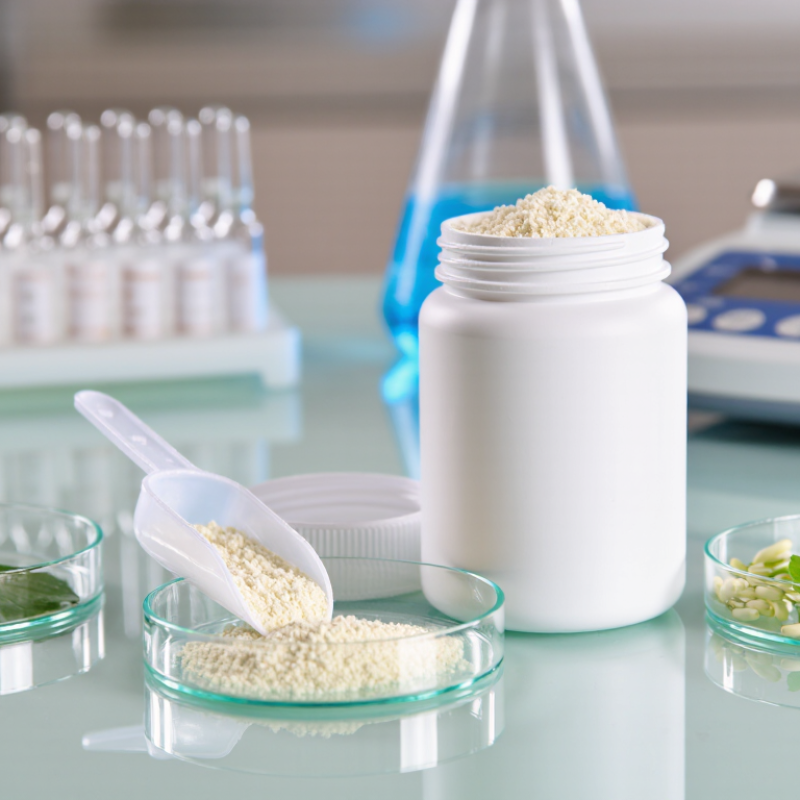
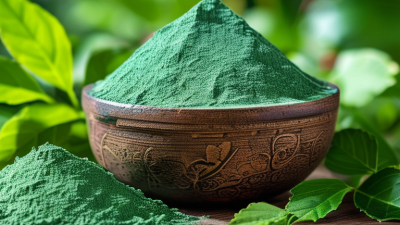
Dihydromyricetin powder is a botanical ingredient used in dietary supplements, functional beverages, research formulations, and selected personal-care products. Its suitability depends on purity, intended use, dosage design, and local regulations. Wholesale buyers should confirm the botanical source, extraction method, appearance, particle size, and stated dihydromyricetin content. A bright powder may look convincing, but appearance is not proof. Details decide quality.
Request a recent certificate of analysis for every production lot. Review HPLC results, microbial limits, heavy metals, pesticides, residual solvents, and moisture. Independent testing adds confidence, especially when supplier documents appear incomplete. Ask for a small sample before discussing large volumes. Check whether the sample matches the bulk material. It sometimes does not. Confirm batch traceability, minimum order quantity, lead time, packaging, and storage conditions. Light-resistant, sealed packaging can help protect powder quality during transport.
Wholesale applications require practical planning. Beverage developers may need good dispersion and a neutral sensory profile. Capsule manufacturers may prioritize flowability and consistent potency. Cosmetic formulators should confirm compatibility with the complete formula. Claims about health effects need reliable evidence and regulatory review. Legal requirements vary between countries and product categories. A supplier should provide clear technical documents, responsive communication, and realistic specifications. The lowest price is not always the lowest cost. Rejected batches, delayed testing, and unstable material can quickly change that calculation. Superb sourcing still needs review when conditions change.
Understanding Dihydromyricetin Powder and Its Wholesale Applications
| Tip | Sourcing Dimension | Verified Product Information | Wholesale Application | Buyer Verification Checklist |
|---|---|---|---|---|
| 1 | Confirm identity and botanical source | Dihydromyricetin is a naturally occurring flavonoid commonly obtained from Ampelopsis grossedentata and also found in Hovenia dulcis. The commonly listed CAS number is 27200-12-0. | Botanical extracts are used in dietary supplement formulations, functional foods, beverages, and research products. | Request the botanical name, plant part, extraction method, CAS number, batch number, and a certificate of analysis (CoA) matching the shipped lot. |
| 2 | Specify chemical and physical characteristics | The molecular formula is C15H12O8, with a molecular weight of approximately 320.25 g/mol. Pure material is generally supplied as a yellow to light-yellow powder. | A defined identity profile helps prevent substitution with unrelated flavonoids or poorly characterized botanical powders. | Compare the CoA and specification sheet for appearance, identity testing, molecular information, particle size, odor, and solubility characteristics. |
| 3 | Set an assay target appropriate to the application | Wholesale products may be offered at different assay levels. A 98% assay specification is commonly requested for high-purity ingredient and research use, but it is a buyer-supplier specification rather than a universal legal standard. | High-assay material is typically preferred for standardized supplements, formulation trials, analytical work, and low-inclusion products. | Define the assay method before ordering. Ask whether the result is based on HPLC, whether it is reported on an as-is or dry basis, and whether the method and chromatogram are supplied. |
| 4 | Evaluate extraction and processing controls | Botanical extraction may involve water, ethanol, or hydroethanolic processing. The final powder can be produced through concentration and drying, such as spray-drying or vacuum-drying, depending on the process. | Processing conditions can influence color, residual solvent profile, dispersibility, stability, and compatibility with capsules, powders, and beverage premixes. | Request the extraction solvent, carrier information, drying method, residual-solvent limits, allergen statement, and a process flow summary. |
| 5 | Require independent quality and contaminant testing | A suitable quality package should address identity and assay, microbiology, heavy metals, pesticides, residual solvents, and aflatoxins where relevant to the botanical material and destination market. | Third-party testing supports incoming-quality approval and reduces risks associated with agricultural contamination or inconsistent extraction. | Check laboratory accreditation, test dates, sample and batch numbers, detection limits, and whether results comply with the target country's food or supplement requirements. |
| 6 | Match packaging and storage to the powder's needs | Dihydromyricetin powder should generally be kept tightly sealed in a cool, dry, dark environment and protected from moisture and excessive heat. Actual shelf life depends on the formulation, packaging, and stability data. | Moisture-barrier packaging helps preserve powder flow, assay consistency, and handling quality during storage and international transportation. | Confirm inner-bag material, outer container, net weight, lot coding, recommended storage conditions, retest or expiry period, and available accelerated or real-time stability data. |
| 7 | Check documentation, logistics, and regulatory fit | Dihydromyricetin is used in different markets under different product categories. Regulatory acceptance, permitted claims, labeling rules, import documents, and novel-food requirements can vary by jurisdiction. | Clear documentation supports private-label supplements, ingredient distribution, research supply, and formulation development. | Confirm the specification sheet, CoA, safety data sheet, certificate of origin, non-GMO statement, allergen statement, quotation validity, minimum order quantity, lead time, Incoterms, and destination-market compliance documents. |
Important: Assay levels, contaminant limits, shelf life, minimum order quantities, pricing, and regulatory status are not universal properties of dihydromyricetin powder. They must be agreed in writing with the supplier and checked against the requirements of the intended market.