



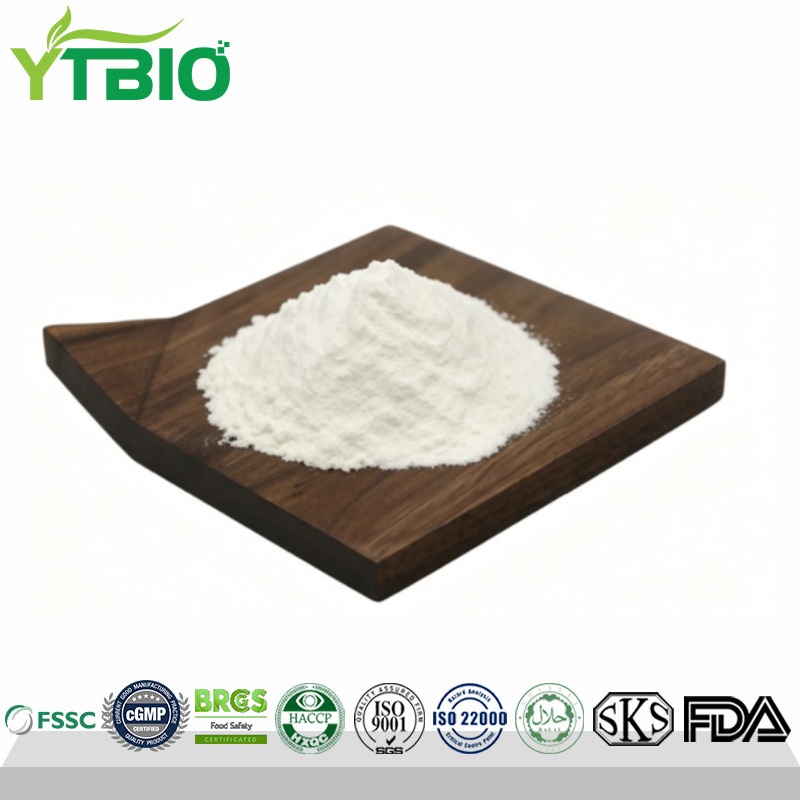
Bulk N-Acetyl-D-Glucosamine NAG Powder CAS 7512-17-6
N-Acetyl-D-Glucosamine: Product Introduction
N-Acetyl-D-glucosamine (abbreviated as NAG) is a substance that occurs naturally within the human body and can also be obtained from external sources. Within the body, NAG is primarily derived from metabolic processes occurring in tissues such as bones, joint cartilage, skin, and hair cells; it plays an indispensable role in maintaining the structural integrity of joints, ensuring the balance of bone metabolism, and alleviating degenerative joint conditions. External N-acetyl-D-glucosamine mainly comes from food, such as seafood, oysters, sea urchins, and shrimp.
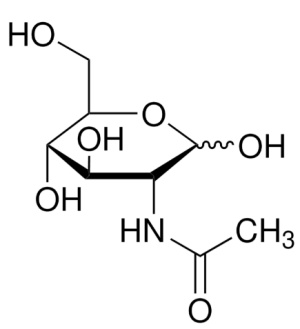
Why Choose YTBIO N-Acetyl-D-Glucosamine?
We own our factory with over 12 years of experience supplying chitin-derived nutritional raw materials for joint care, gut balance and skin anti-aging supplements. Our production system holds full international certifications: cGMP, FSSC22000, BRC, HACCP, HALAL, KOSHER, ISO9001 & ISO22000, fully compliant with global food and cosmetic safety standards.
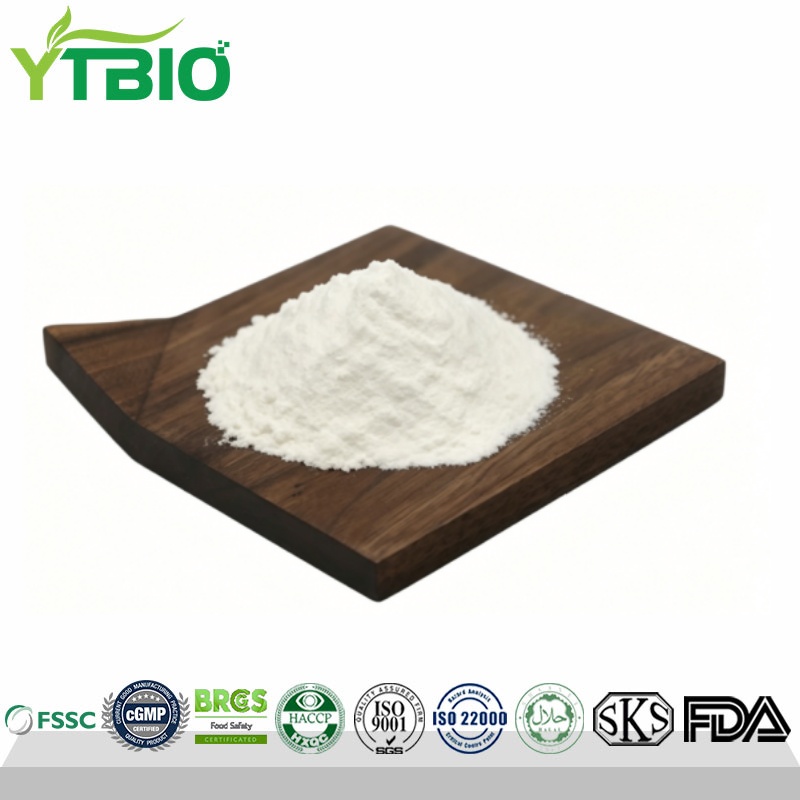
Our N-Acetyl-D-Glucosamine is extracted and purified from natural shrimp/crab shell chitin via enzymatic hydrolysis, mainstream specification 99% HPLC white crystalline powder, low impurity, excellent water solubility, stable without caking during long-term storage.
N-Acetyl-D-Glucosamine Test Report
|
ITEM |
SPECIFICATION |
RESULTS |
|
N-Acetyl-D-Glucosamine |
98.0% - 102.0% |
99.60% |
|
Physical & Chemical |
|
|
|
Appearance |
White to off-white powder |
Complies |
|
Identification |
The sample spectrum conforms to the reference spectrum |
Complies |
|
Water Content (KF) |
≤ 1.0% |
0.40% |
|
PH |
5.5 - 7.5 |
6.5 |
|
Protein Content |
≤ 0.50% |
0.26% |
|
Related Substance |
Individual impurity ≤0.5% |
Complies |
|
|
Total impurities ≤1.0% |
Complies |
|
Heavy Metals |
≤ 20 ppm |
< 10 ppm |
|
Microbiological Test |
||
|
Total Plate Count |
≤1,000cfu/g |
<10cfu/g |
|
Mold and Yeast |
≤100cfu/g |
<10cfu/g |
|
E.Coli |
≤10cfu/g |
<0.3cfu/g |
|
Salmonella |
Negative |
Negative |
|
Conclusion |
Conform with specification |
|
|
Storage |
Store in cool and dry places. Keep away from strong light and heat |
|
|
Packing |
By 25kgs/Drum, inner by double plastic bag |
|
|
Shelf Life |
24 months under the above condition,and in it’s original package |
|
|
Comparison of Core Parameters Between N-Acetyl-D-Glucosamine and Common Glucosamine |
||
|
Comparison Dimension |
N-Acetyl-D-Glucosamine |
Common Glucosamine (Glucosamine Sulfate / Glucosamine Hydrochloride) |
|
Metabolic Utilization Method |
Can be directly taken up by chondrocytes, and enter the cartilage matrix synthesis pathway without metabolic activation |
Requires multi-step acetylation conversion in the liver before it can be utilized by cartilage |
|
Bioavailability |
Higher |
Relatively Lower |
|
Transmembrane Absorption Rate |
3 times higher than that of glucosamine hydrochloride, which can quickly provide sufficient raw materials for cartilage repair |
Conventional Absorption Rate |
|
Effective Dosage |
A low daily dose of 300-500mg can already show joint improvement effects |
A high daily dose of 1500mg is usually required |
|
Joint Improvement Effect |
It is equivalent to or even better than high-dose common glucosamine in pain relief and joint function improvement |
A high dose is required to achieve a stable joint improvement effect |
Health Benefits
Joint Protection
Articular cartilage is an elastic connective tissue covering the ends of bones within a joint. Its core structure consists of proteoglycans, collagen, and hyaluronic acid, serving to cushion joint pressure and minimize friction between bones.
N-acetyl-D-glucosamine (NAG) acts as the fundamental raw material essential for the synthesis of these substances. It plays an indispensable role in maintaining the structural integrity of joints, ensuring the balance of bone metabolism, and alleviating degenerative joint diseases.
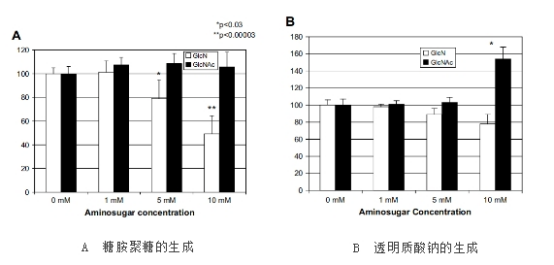
Relevant studies indicate that, compared to standard glucosamine, N-acetyl-D-glucosamine is more effective in promoting the synthesis of glycosaminoglycans and sodium hyaluronate within knee joint chondrocytes, thereby protecting these cartilage cells. Sodium hyaluronate is a core component of both synovial fluid and the cartilage matrix; it helps maintain the elasticity and hydration of cartilage while enhancing the viscoelasticity and shock-absorbing capacity of synovial fluid.
Anti-inflammatory and Immunomodulatory Effects
Osteoarthritis is a condition characterized by cartilage degradation, synovial inflammation, and joint pain, triggered by the excessive release of inflammatory factors. N-acetyl-D-glucosamine promotes the synthesis of proteoglycans—key structural components of cell membranes and the extracellular matrix—which serve to stabilize cell membranes and strengthen intercellular connections, thereby demonstrating therapeutic efficacy in cases of subacute osteoarthritis.

Improvement of Skin Condition
N-acetyl-D-glucosamine serves as a precursor to hyaluronic acid—the skin's natural moisturizer—and enhances the activity of hyaluronic acid synthase (HAS). Due to its low molecular weight and high permeability, it is effectively absorbed by the skin. It promotes the skin's endogenous synthesis of hyaluronic acid, thereby helping to diminish fine lines, improve skin elasticity and smoothness, and provide long-lasting hydration.

Application Areas Overview
|
Country/Region |
Regulations |
|
United States |
N-Acetylglucosamine (NAG) is included in the Dietary Supplements section of the United States Pharmacopeia. In the US, NAG has been widely studied and applied as a nutritional supplement ingredient to help maintain joint health. |
|
Canada |
N-Acetylglucosamine is listed in the Natural Health Products Ingredients Database and can be used in natural health products. |
|
Japan |
N-Acetylglucosamine is included in the Specifications and Standards List of Ingredients for Health Foods, and can be used in health foods.N-Acetylglucosamine can be used as a raw material for functionally labeled foods in Japan. |
|
South Korea |
N-Acetylglucosamine is included in the Food Standards and Specifications by the Ministry of Food and Drug Safety, and can be used as a food ingredient.N-Acetylglucosamine is included in the Standards and Specifications for Health Functional Foods by the Ministry of Food and Drug Safety, and can be used as a raw material for health functional foods. |
|
Taiwan, China |
N-Acetylglucosamine is included in the List of Ingredients Permitted for Use in Foods by the Food and Drug Administration of the Ministry of Health and Welfare, and can be used as a food ingredient. |
|
China |
On August 5, 2024, the National Health Commission issued Announcement No. 3 of 2024, approving N-Acetylglucosamine produced by fermentation with Corynebacterium glutamicum RDG-2110 as a new food raw material. The recommended daily intake is ≤ 500 mg/d, and it can be applied in five dosage forms: milk and dairy products, beverages, jelly, candy, and pastries. |
 |
 |
 |
FAQ
Q: What certifications can you offer?
A: We own GMP, ISO, HACCP, HALAL, KOSHER, FDA certificates, and accept OEM private label customization.
Q: What grades do you supply?
A: Food grade and cosmetic grade N-Acetyl-D-Glucosamine with purity ≥99%. Each batch comes with COA and third-party inspection reports.
Q: What are your product highlights?
A: High purity, low impurity residues, dual value for joint maintenance and skin barrier repair, stable in both solid and liquid compound formulas.
Q: Storage rules and shelf life?
A: Shelf life: 24 months. Seal tightly and store in cool, dry, dark warehouse, avoid moisture and direct sunlight.
Q: MOQ, sample policy and delivery cycle?
A: Standard bulk MOQ 25kg, free samples with freight collected. Production cycle 7–15 working days.
Q: After-sales support?
A: Formula matching service for health food and skincare; return & exchange service for qualified quality defects.
Email: sales@sxytbio.com
WhatsApp/phone: +86 17782577059