



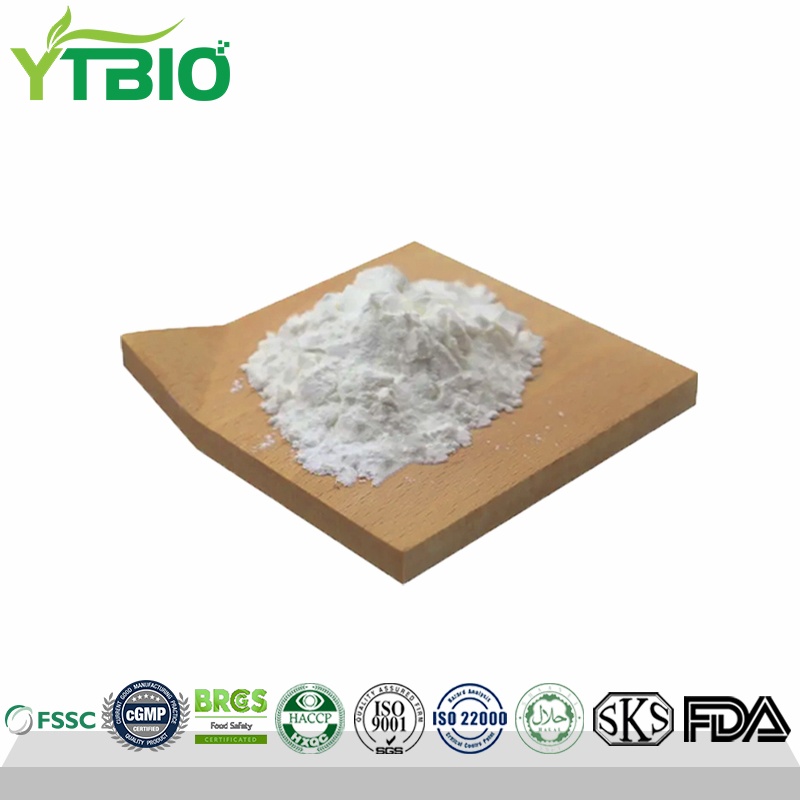
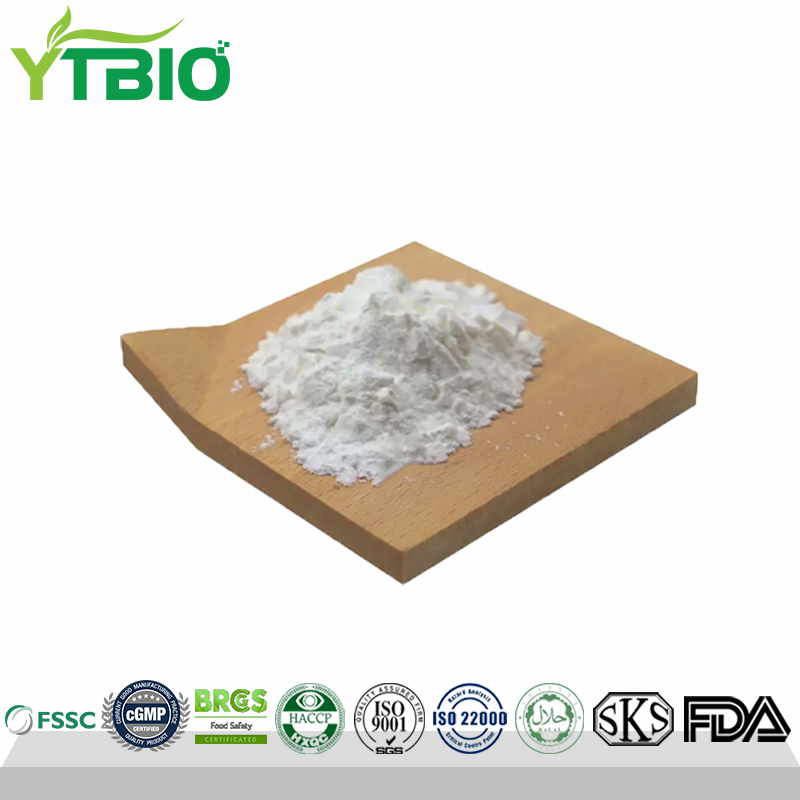
CAS 987-65-5 98% Adenosine Triphosphate Disodium/ATP Disodium
What is adenosine triphosphate disodium (ATP disodium)?
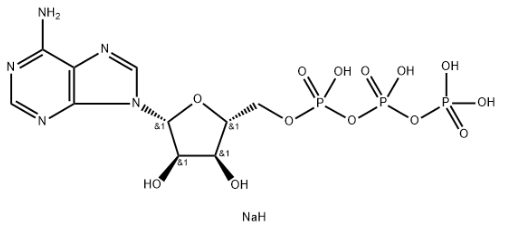
Adenosine triphosphate disodium is the sodium salt of adenosine triphosphate (ATP), a core energy source in living organisms. It is a high-energy nucleotide derivative that directly participates in the metabolism of fats, proteins, sugars, nucleic acids, and nucleotides. During physiological activities, ATP is broken down to release energy, driving normal cell function. Furthermore, it can cross the blood-brain barrier, supporting the stability and repair of nerve cell membranes.
YTBIO's 98% pure ATP disodium raw material, with its superior performance in energy supply, metabolic regulation, and nerve support, is an ideal choice for the pharmaceutical, health, and functional food industries.
|
ITEM |
SPECIFICATION |
RESULTS |
|
Appearance |
White Powder |
Complies |
|
Identification |
Retention time of main peak in HPLC matches reference standard. |
Complies |
|
Assay |
98.0% – 102.0% |
98.4% |
|
Residue on Ignition |
≤ 0.1% |
0.05% |
|
Heavy metals |
≤ 20 ppm |
< 10 ppm |
|
Loss on Drying |
≤ 1.0% |
0.37% |
|
Related Substances |
|
|
|
Any Individual Impurity |
≤ 0.3% |
0.13% |
|
Total Impurities |
≤ 1.5% |
0.48% |
|
Microbial Limits |
|
|
|
Total Aerobic Count |
< 1000 CFU/g |
< 100 CFU/g |
|
Yeast & Moulds |
< 100 CFU/g |
< 10 CFU/g |
|
E.Coli |
Absent in 1g |
Negative |
|
Salmonella |
Absent in 10g |
Negative |
|
Conclusion |
Conform with enterprise specification. |
Efficacy/Functions
Improves Body Metabolism
Participates in the metabolic processes of fats, proteins, carbohydrates, nucleic acids, and nucleotides; provides energy for cellular activities and maintains normal cell function; promotes the efficient operation of various organ systems; and helps improve conditions associated with impaired metabolic function.
Promotes Cellular Repair
Provides energy support to damaged cells (such as cardiomyocytes and cerebral neurons), accelerates cellular repair and regeneration, mitigates tissue damage, and facilitates the recovery of organ function.
Enhances Myocardial Function
Strengthens myocardial contractility, increases stroke volume, improves cardiac pumping efficiency, alleviates symptoms of heart failure and cardiac insufficiency, and maintains normal cardiac circulation.
Improves Brain Function
Boosts energy supply and metabolic regulation in brain cells; enhances memory and cognitive abilities; aids in improving brain function following cerebral hypoxia or injury; and promotes the recovery of nervous system function.

Supporting Nervous System Health
ATP disodium can penetrate the blood-brain barrier, improving the stability of nerve cell membrane structures, promoting neurite regrowth, helping to maintain normal nervous system function, and improving brain tolerance to hypoxia and memory.
Participating in Metabolism
ATP disodium is widely involved in the metabolism of fats, proteins, sugars, nucleic acids, and nucleotides in the body, maintaining metabolic balance.
Application Areas
Due to its effects on energy metabolism and cells, sodium adenosine triphosphate has promising applications in the medical and health fields:
Adjunctive Treatment of Cardiovascular Diseases: Used to improve myocardial metabolism, alleviate myocardial ischemia, and enhance myocardial function, providing adjunctive treatment for cardiovascular diseases such as coronary heart disease and myocarditis.
Support for Nervous System Diseases: Used as adjunctive treatment for peripheral nerve injury, post-concussion syndrome, and sequelae of cerebrovascular diseases, promoting the recovery of nerve function.
Sports Nutrition and Fatigue Recovery: Used to relieve physical fatigue, accelerate post-exercise recovery, and improve athletic performance.
Adjunctive Protection of Liver Function: Participates in liver metabolism and can be used as adjunctive treatment for liver diseases such as hepatitis and cirrhosis.

FAQ
Q: What is the main test method for ATP disodium content?
A: Detected by HPLC method, strictly control related impurities such as ADP and AMP.
Q: Is adenosine triphosphate disodium stable in aqueous solution?
A: Solid powder keeps stable under proper storage. Aqueous solution is easy to degrade, prepare fresh solution before use, short‑term storage under 2‑8℃.
Q: Can you provide customized specifications?
A: Yes, we can adjust purity grade and particle size according to customer requirements.
Q: What storage suggestions for opened packages?
A: Seal tightly, store in cool dry dark environment, low‑temperature storage is preferred, avoid moisture and high temperature to prevent degradation.
Q: What export documents can you offer?
A: COA, SDS, commercial invoice and packing list are provided for customs clearance.
Q: What quality indexes are strictly controlled?
A: Purity, related substances, heavy metals and microbial items are well controlled to meet food‑grade biochemical raw material standards.
Email: sales@sxytbio.com
WhatsApp/phone: +86 17782577059