



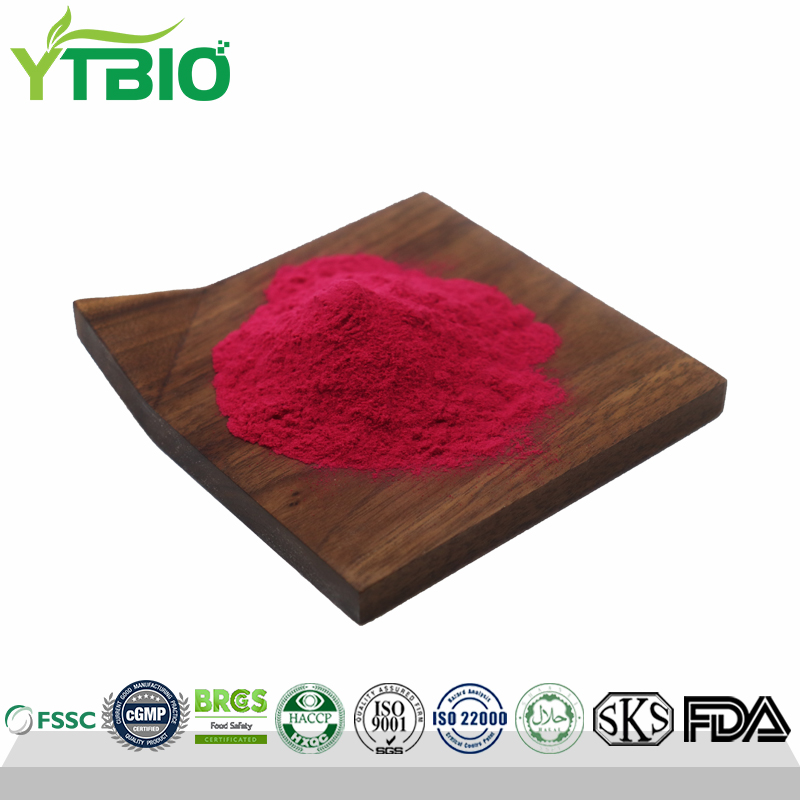
Factory Supply Vitamin B12 CAS 68-19-9
What is Vitamin B12 (Cyanocobalamin)?
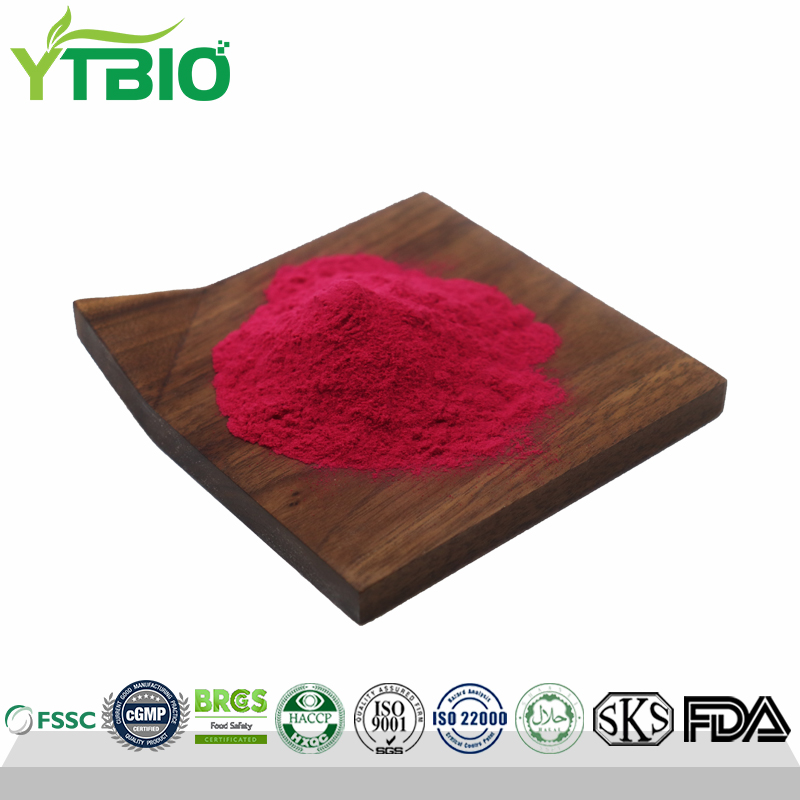
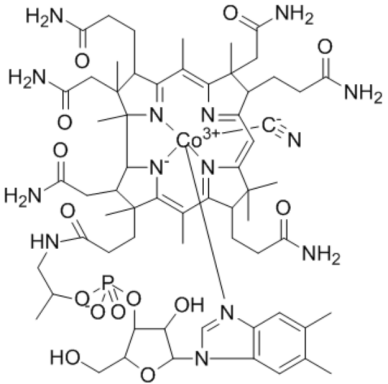
Vitamin B12, abbreviated as VB12 and also known as cobalamin, is a member of the B vitamins. It is a complex organic compound containing cobalt, the trivalent cobalt being located at the center of a corrin ring similar to a porphyrin. It is the largest and most complex vitamin molecule discovered to date, and the only vitamin containing a metal ion. Its crystals are red, hence its name, the red vitamin. Plants do not contain VB12 and cannot produce it. Liver is the best source of VB12, followed by milk, meat, eggs, and fish. VB12 is an essential coenzyme in the synthesis of RNA and DNA. Deficiency in VB12 can cause pathological changes in the nervous system, including peripheral and central encephalopathy.
Why Choose YTBIO Vitamin B12 ?
We own our factory with over 12 years of experience supplying high‑grade fermentation‑sourced vitamin raw materials for functional food and dietary supplement industry. Our full production line holds complete international certifications: cGMP, FSSC22000, BRC, HACCP, HALAL, KOSHER, ISO9001 & ISO22000, fully compliant with global health product safety standards.
Our Vitamin B12 (Cyanocobalamin, CAS:68‑19‑9) is produced by microbial fermentation technology. Standard specification 99% HPLC Food Grade, dark‑red crystalline powder, stable potency, low impurity profile, consistent batch‑to‑batch quality.
Certificate of Analysis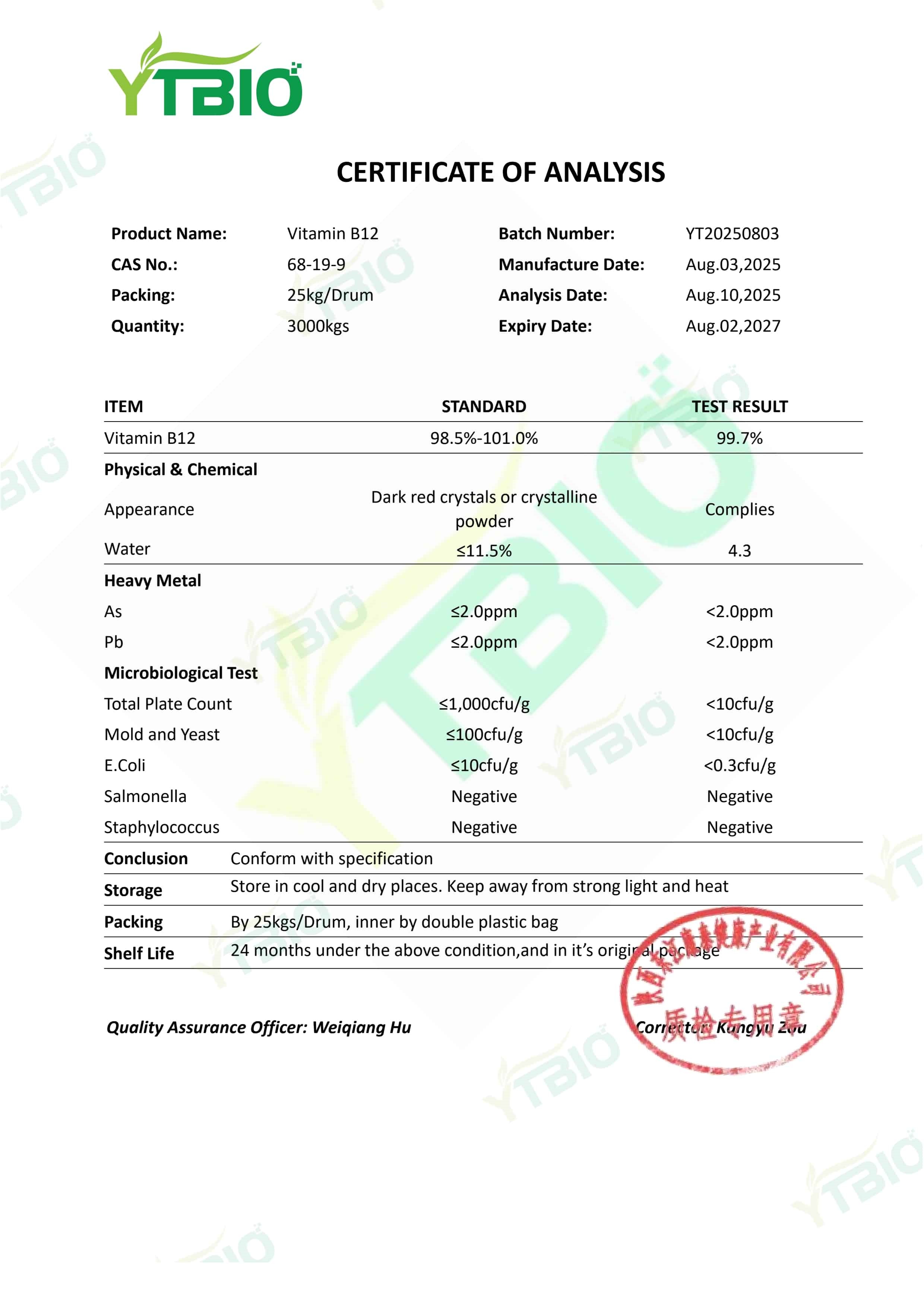
Physiological Functions of Vitamin B12
Promoting erythropoiesis
Cyanocobalamin is a key coenzyme for the development and maturation of red blood cells. It promotes the proliferation and differentiation of primitive red blood cells in the bone marrow, preventing and improving megaloblastic anemia caused by vitamin B12 deficiency.
Maintaining nervous system function
It participates in the synthesis of myelin sphingolipid proteins, protecting the integrity of nerve fibers and alleviating neurological symptoms such as limb numbness and paresthesia caused by vitamin B12 deficiency.
Participating in DNA synthesis
As a coenzyme of methyltransferase, it provides the necessary methyl groups for DNA synthesis and is crucial for cell division and proliferation, especially hematopoietic cells and gastrointestinal mucosal cells.
Correcting metabolic disorders
It promotes the conversion of homocysteine to methionine, regulates amino acid metabolism, and reduces the risk of hyperhomocysteinemia and related cardiovascular diseases.
Adjunctive therapy for related conditions
It can be used as an adjunctive treatment for conditions such as peripheral neuropathy and atrophic gastritis with intrinsic factor deficiency, improving nerve conduction velocity and gastric mucosal function.
Applications of Vitamin B12
1. Medical and Healthcare
It is primarily used to treat various vitamin B12 deficiency conditions, such as megaloblastic anemia, anemia caused by drug poisoning, aplastic anemia, and leukopenia. When used in combination with pantothenic acid, it can prevent pernicious anemia and aid in the absorption of iron and gastric acid secretion. Vitamin B12 is also used to treat arthritis, facial nerve paralysis, trigeminal neuralgia, hepatitis, herpes, asthma, and other allergies, as well as atopic dermatitis, urticaria, eczema, and bursitis. Vitamin B12 can also treat nervousness, irritability, insomnia, memory loss, and depression. Recent research suggests that vitamin B12 deficiency can also contribute to mental illnesses such as depression. Vitamin B12 is very safe as a therapeutic agent or health supplement. Intravenous or intramuscular injections of vitamin B12 in amounts exceeding the recommended daily recommended value (RDA) have not been found to cause toxicity.
2. Feed
Vitamin B12 promotes growth and development in poultry and livestock, especially young poultry and livestock, and improves the utilization of feed protein, making it suitable for use as a feed additive. Treating fish eggs or fry with a VB12 aqueous solution can improve their tolerance to waterborne toxicants such as benzene and heavy metals, reducing mortality. Since the European "mad cow disease" incident, the use of chemically defined nutritional supplements such as vitamins as an alternative to meat and bone meal has gained momentum. Currently, the majority of VB12 produced worldwide is used in the feed industry.
3. Food and Dietary Supplements
As a food additive, Vitamin B12 is widely used to fortify grain products (such as flour and cereals), nutritional beverages (such as energy drinks and sports recovery drinks), and dairy products (such as yogurt and cheese), thereby enhancing nutritional value and meeting the dietary needs of vegetarians and specific population groups.
As a key ingredient, Vitamin B12 is widely used in multivitamin tablets, liquid supplements, and functional foods to support daily nutrition, alleviate fatigue, and help improve nervous system health.
Agriculture and Livestock Farming
Vitamin B12 plays a role in protein and fat metabolism, improving feed conversion rates, accelerating weight gain in livestock and poultry (such as pigs, chickens, and cattle), and reducing feed consumption.
As an essential substance for hematopoiesis, Vitamin B12 helps alleviate anemia in livestock and poultry, enhances blood oxygen-carrying capacity, and boosts animal vitality.

FAQ
Q: What certifications can you provide?
A: We hold GMP, ISO, HACCP, HALAL, KOSHER, FDA certificates, support OEM private label customization.
Q: What specifications do you supply?
A: High purity cyanocobalamin, methylcobalamin, adenosylcobalamin and diluted premix powder. Each batch attached COA and third-party inspection reports.
Q: Product highlights?
A: Fermentation source, high purity, low impurities, stable color and activity, multiple forms to meet different formula demands.
Q: Storage & shelf life?
Shelf life: 24 months. Seal tightly, store in cool, dry, dark warehouse, avoid strong light and high temperature to prevent activity decline.
Q: MOQ & delivery cycle?
A: Standard bulk MOQ 25kg. Production cycle 7–15 working days.
Email: sales@sxytbio.com
WhatsApp/phone: +86 17782577059