



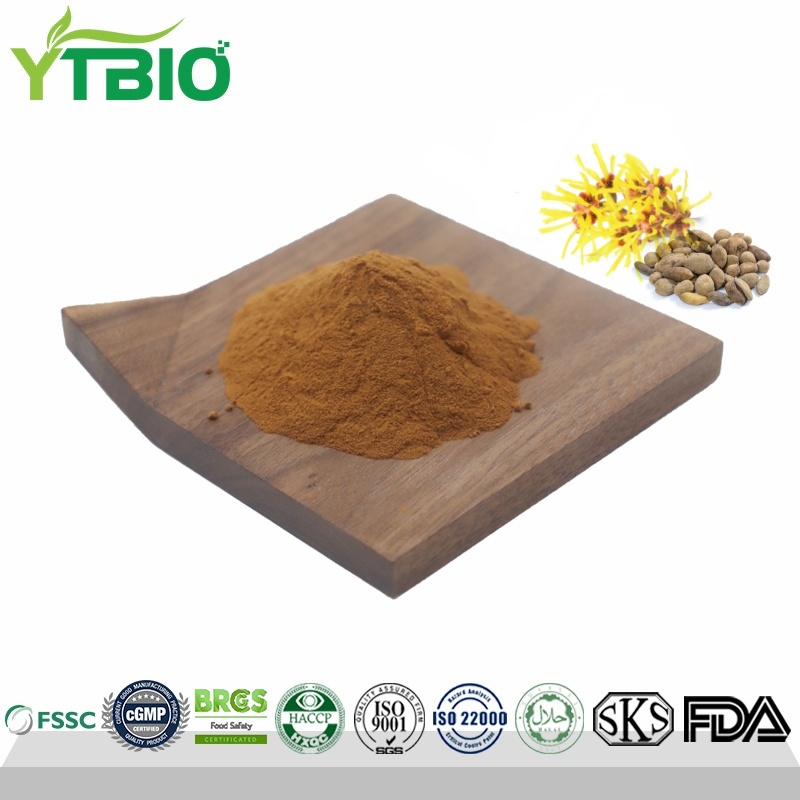
Factory Supply70%/80%/98% Tannic Acid Powder
Tannic Acid: Product Introduction
Tannic acid, also known as tannin, is a natural polyphenol compound widely found in plants. It is a complex mixture of polyphenol derivatives. YTBIO selects high-quality natural raw materials to provide you with high-purity, high-activity tannic acid solutions.
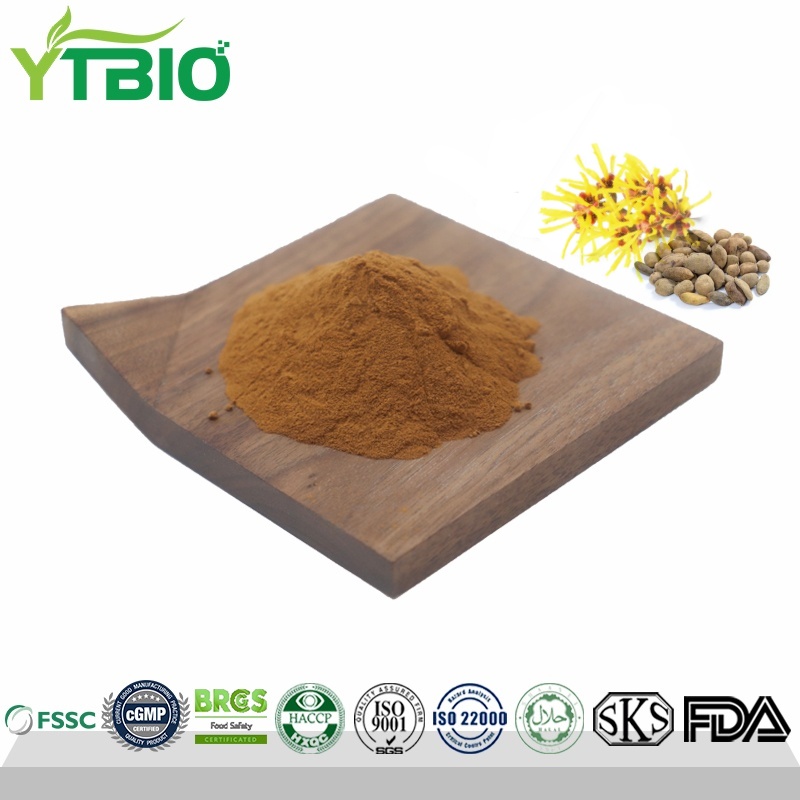
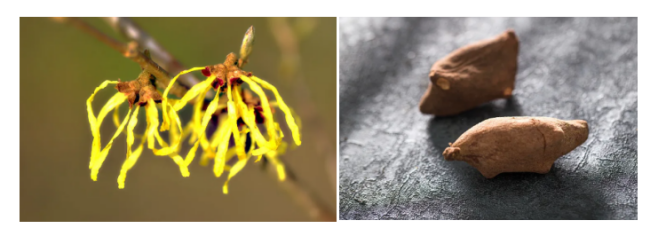
Our tannic acid is primarily derived from gallnut, a plant unique to China. In addition, we also offer tannic acid products derived from other plants such as witch hazel to meet the needs of different application areas.
Product Specifications and Characteristics
We offer a variety of tannic acid grades to meet different needs from food to industrial to daily chemical products:
Gallnut-derived Series:
Dye Grade (81%): High-purity product with good water solubility
Industrial Grade (70%-80%): High cost-performance ratio and stable performance
Witch Hazel-derived Series (10%): Mild, natural raw material suitable for cosmetics and personal care products.
Also includes 93% food-grade tannins and premium 98% gallnut tannins.
|
ITEM |
STANDARD |
TEST RESULT |
|
Tannic Acid |
≥98.0% |
99.20% by UV |
|
Physical & Chemical |
|
|
|
Appearance |
Light yellow powder |
Complies |
|
Partical Size |
98% pass 80 mesh |
Complies |
|
Loss on Drying |
≤9.0% |
7.32% |
|
Ash |
≤0.8% |
0.61% |
|
pH |
3.0-4.0 |
3.5 |
|
Gums, Dextrin Test |
No turbidity |
Complies |
|
Gallic Acid |
≤1% |
0.75% |
|
Colour Gardner (1/10 alcohol) |
≤5 |
2 |
|
Solubility |
Soluble in water, freely soluble in acetone, in alcohol |
Complies |
|
Microbiological Test |
|
|
|
Total Plate Count |
≤1,000cfu/g |
<10cfu/g |
|
Mold and Yeast |
≤100cfu/g |
<10cfu/g |
|
E.Coli |
Negative |
Negative |
|
Salmonella |
Negative |
Negative |
|
Conclusion |
Conform with specification |
|
|
Storage |
Store in cool and dry places. Keep away from strong light and heat |
|
|
Packing |
By 25kgs/bag, inner by double plastic bag |
|
|
Shelf Life |
24 months under the above condition, and in it’s original package |
|
ANALYSIS |
SPECIFICATION |
RESULT |
|
Description |
Light Yellow Powder |
Qualified |
|
Tannic Acid Content (Dry Basis) |
≥80%(UV) |
81.2%(UV) |
|
Mesh Size |
100%pass 80mesh |
Qualified |
|
Ash |
≤0.8% |
0.61% |
|
Identification |
(+) |
Positive |
|
Odor |
Practically odourless |
Qualified |
|
Taste |
Neutral/slight astringent taste |
Qualified |
|
PH(1% In Water) |
3-4 |
4 |
|
Residue On Ignition |
≤1.0% |
0.2% |
|
Loss on Drying |
≤9.0% |
7.3% |
|
Gums, Dextrin Test |
No turbidity |
Qualified |
|
Gallic Acid |
≤1% |
0.75% |
|
Colour Gardner(1/10 alcohol) |
≤5 |
2 |
|
Solubility |
Very soluble in water, freely soluble in acetone, in alcohol |
Qualified |
|
Microbiological Control Total Plate Count Fungi Salmonella Coli |
1000 cfu/g Max <100/g Negative Negative |
78 cfu/g Negative Negative Negative |
|
Shelf Life |
2 years when properly stored |
|
Core Functions and Applications
Daily Chemicals and Personal Care
Skin Care: Tannins can shrink pores and tighten skin, making them a common ingredient in acne treatment products.
Sunscreen and Whitening: It absorbs ultraviolet rays and inhibits the activity of tyrosinase, thus being used in sunscreen and whitening products.
Anti-aging and Moisturizing: By scavenging free radicals and inhibiting the activity of elastase and hyaluronidase, tannins help delay skin aging and maintain skin elasticity and moisture.

Food and Health Products
In the food industry, tannins can be used as a natural antioxidant and clarifying agent for clarifying and stabilizing the color of fruit wines and juices. They can also be used to develop foods with specific health benefits.
Pharmaceuticals and Health
Broad-spectrum Antibacterial and Anti-inflammatory: Tannins inhibit the growth of various bacteria and viruses. Studies have shown that they have inhibitory effects on various pathogenic bacteria such as Staphylococcus aureus and Escherichia coli.
Functional Activity: Modern research has also revealed its potential in anti-oxidation and blood pressure and lipid regulation, providing a basis for the development of functional foods and pharmaceuticals.
Traditional Industries
Leather Tanning: A classic application, tannic acid can cross-link with soluble proteins in raw hides, causing them to coagulate and stabilize, transforming easily perishable raw hides into supple, durable, and less prone to deterioration leather.
Metal Surface Treatment: Utilizing its ability to complex with metal ions, tannic acid can form a dense protective film on metal surfaces, effectively applied to the passivation treatment of metals and alloys such as zinc, copper, and iron, playing a role in rust prevention and enhancing corrosion resistance.

YTBIO is committed to providing global customers with high-quality, traceable natural plant extracts. We rely on China's abundant gallnut/witch hazel resources, combined with advanced extraction and purification technologies, to ensure the stability and reliability of each batch of products.
Contact us now for relevant quotations and product information.
Email:sales@sxytbio.com
WhatsApp/phone:+86 17782577059