

Kaempferol: A Natural Flavonoid with Antioxidant Benefits for Health & Wellness
Flavonoids are among the most extensively studied classes of plant compounds, highly valued for their role in supporting the body's natural defense mechanisms. Among them, kaempferol—a flavonol that has been thoroughly researched and is garnering increasing scientific attention—stands out as particularly noteworthy.
I.What Is Kaempferol?
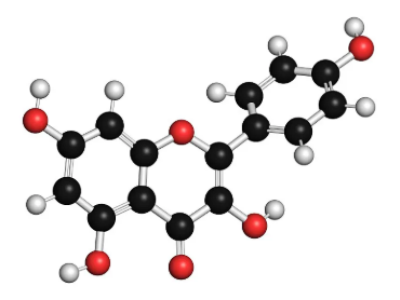
Kaempferol is a naturally occurring flavonol (a subclass of flavonoids) found widely throughout the plant kingdom. Structurally, it belongs to the polyphenol family; plants produce these compounds to defend against environmental stressors such as ultraviolet (UV) radiation, pathogens, and oxidative damage. It is precisely this protective function that has drawn attention to kaempferol for its potential benefits to human health.
Chemically, kaempferol possesses the basic flavonoid backbone, with a specific arrangement of hydroxyl groups that confers potent antioxidant activity. In foods, it typically exists in the form of glycosides (bound to sugar molecules) and is converted into its active aglycone form during digestion.
II.Natural Sources of Kaempferol
Kaempferol is found in a variety of everyday foods, meaning many people likely consume it regularly without even realizing it. Common dietary sources include:
Kale and other leafy greens—among the richest known sources
Broccoli and Brussels sprouts
Spinach
Green tea
Grapefruit and other citrus fruits
Strawberries
Legumes (including various types of beans)
Grapes and red wine
Saffron and dill
Given its widespread presence in fruits, vegetables, and herbs, a balanced diet rich in colorful produce naturally provides ample amounts of this flavonoid.
III.Antioxidant Properties of Kaempferol
Antioxidant capacity is one of the most well-documented characteristics of kaempferol. Antioxidants function by neutralizing free radicals—unstable molecules that accumulate in the body due to factors such as pollution, UV exposure, and normal metabolic processes. If left unchecked, free radicals can lead to oxidative stress, a pathological state associated with accelerated cellular aging and various chronic health issues. Laboratory studies indicate that kaempferol may support the body's antioxidant defense system in several ways:
Directly scavenging free radicals—The chemical structure of kaempferol allows it to donate electrons to unstable molecules, thereby helping to stabilize them.
Supporting endogenous antioxidant enzymes—Some studies suggest that kaempferol may help regulate the activity of the body's own antioxidant enzyme systems.
Reducing markers of oxidation—Preclinical studies have observed a decrease in markers associated with oxidative stress following kaempferol intake.

IV.Areas of Ongoing Research
Beyond its antioxidant properties, kaempferol continues to spark scientific interest across various areas of health and wellness research, including:
Supporting cellular health—Investigating its role in maintaining normal cellular function under oxidative stress.
Cardiovascular health—Studying its potential impact on vascular function and lipid metabolism.
Inflammatory response—Exploring its interaction with pathways related to the body's inflammatory processes.
Metabolic health—Examining its relationship with blood glucose metabolism and related markers.
Skin health—Studying its potential protective effects against UV-induced oxidative damage at the cellular level.
It is worth noting that much of the aforementioned research remains in the early or preclinical stages, relying primarily on laboratory or animal models. While the findings are encouraging and help explain kaempferol's popularity in the health and wellness community, more rigorous human clinical studies are needed before definitive claims regarding its health benefits can be made.

V.Kaempferol and Daily Health
For most people, the best way to incorporate kaempferol into daily life is by maintaining a diverse, plant-based diet. Regularly consuming cruciferous vegetables, leafy greens, berries, and green tea not only increases flavonoid intake but also provides a host of other beneficial nutrients found in these foods.
For those seeking higher concentrations of kaempferol, there are health and wellness products or dietary supplements that feature it as a standalone ingredient, often combined with other flavonoids or antioxidant compounds.
Email: sales@sxytbio.com
WhatsApp/phone: +86 17782577059