


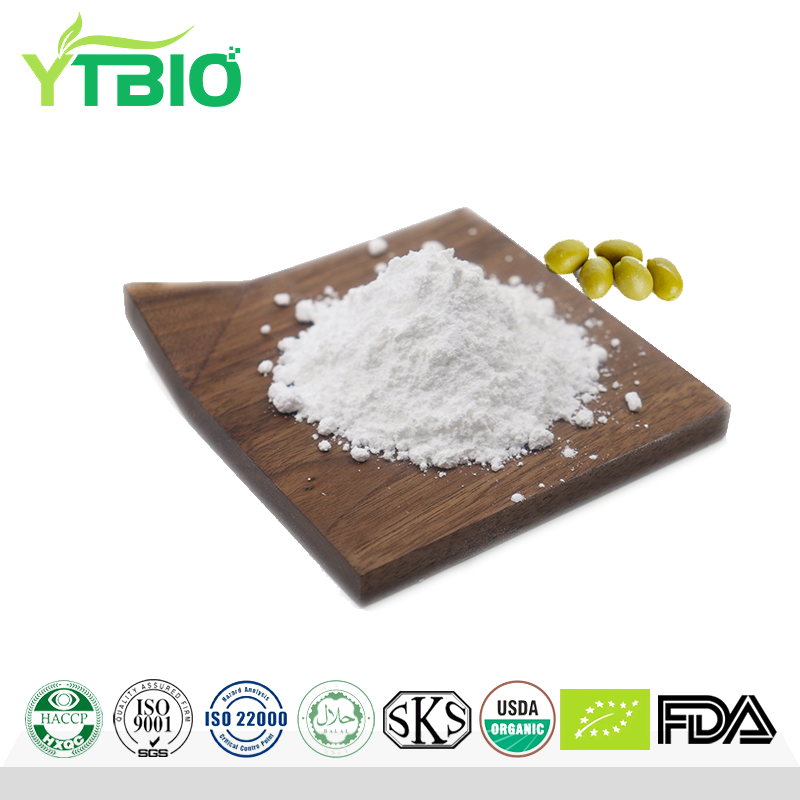
Oleanolic Acid 98% Powder CAS 508-02-1 Factory Direct
What is Oleanolic Acid ?
Oleanolic acid is a natural pentacyclic triterpenoid compound, widely distributed in a variety of vegetables, fruits and medicinal herbs. Its content varies significantly across different plant species. For instance, plants of the Cucurbitaceae family such as Luo Gu Di contain relatively high levels of oleanolic acid, ranging from 1.5% to 2%, while the fruit of Ligustrum lucidum has a content of 0.6% to 0.7%. In most host plants, oleanolic acid mainly exists in epidermal wax layers, acting as a natural protective barrier against pathogen invasion and reducing excessive water transpiration.
In physical properties, oleanolic acid appears as white needle-like crystals, odorless and tasteless. It exhibits poor stability under strong acidic and alkaline conditions. It is practically insoluble in water, yet freely soluble in common organic solvents including methanol, ethanol, ether, acetone and chloroform.
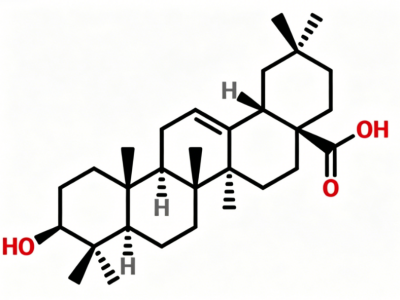
Key Steps in the Preparation and Semisynthesis of Oleanolic Acid
Preparation Processes for Oleanolic Acid
The primary methods for preparing oleanolic acid include:
1) Alcohol Extraction Method: The raw material is subjected to reflux extraction using ethanol; after distilling to recover the ethanol, the residue is treated with sulfuric acid, followed by boiling with an NaOH solution to yield a crude sodium salt product, which is then refined to obtain the final product. Key steps include ethanol extraction, acid treatment, alkali treatment, and refining.
2) Water Extraction Method: The raw material is decocted in water and concentrated, followed by treatment with concentrated sulfuric acid; after filtration, the mixture undergoes alkali treatment to yield the crude product. The key steps are water decoction and concentration, as well as acid-base treatment.
3) Red Date Extraction Method: This method leverages the abundant oleanolic acid content found in red dates, utilizing an optimized extraction process to reduce production costs. Semisynthetic methods typically employ other triterpenoid compounds as starting materials, which are chemically modified—often through oxidation, reduction, and similar reactions—to produce oleanolic acid; the key steps involve selecting an appropriate precursor and precisely controlling the reaction conditions.
What are the benefits?
Accelerate Metabolism & Improve Skin Condition
Oleanolic acid works synergistically with fruit acid to modulate bodily metabolism. It can regulate skin surface moisture balance, effectively speed up metabolic circulation. Moderate supplementation helps fade skin pigmentation, alleviate rough skin texture, and refine overall skin condition.

Anti-Inflammatory, Antioxidant & Skin ProtectionIt
Possesses remarkable anti-inflammatory and antioxidant properties, capable of relieving discomforts such as redness, itching and edema triggered by allergic inflammation. Meanwhile, its powerful antioxidant activity can mitigate UV-induced skin damage, reduce oxidative stress, and maintain healthy skin status.

Regulate Blood Lipids & Protect Cardiovascular Health
Oleanolic acid can effectively reduce serum cholesterol and triglyceride levels, assist in maintaining lipid balance in the body, lower the risk of cardiovascular problems, and deliver positive conditioning effects on cardiovascular health.

Alleviate Physical Fatigue & Relieve Stress
By regulating physiological metabolism, oleanolic acid helps ease physical exhaustion, relieve mental stress, soothe both body and mind, and improve sub-health fatigue state.

Assist Blood Sugar Regulation & Anti-Aging Beauty
It has a certain auxiliary effect on lowering blood sugar, helping prevent the occurrence of diabetes. In addition, its active antioxidant ingredients can reduce lipofuscin deposition in the body, delay skin aging, and endow the skin with natural brightening and anti-aging skincare benefits.

Application direction
Cosmetics Industry
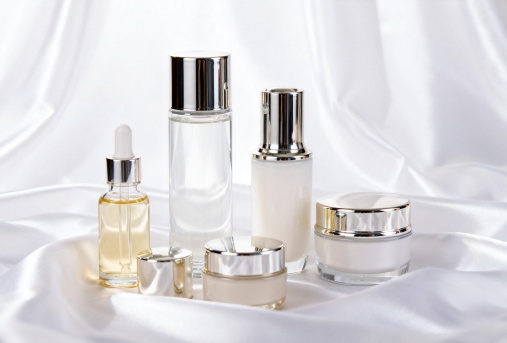
Oleanolic acid is a high-value functional raw material widely applied in skincare and beauty products. It delivers multiple benefits including exfoliation, accelerating skin cell regeneration and fading pigmentation spots. It is commonly added into anti-wrinkle, freckle-removing and skin-repairing formulations.
It gently removes aged stratum corneum, refines skin texture to be smoother and more delicate, and exhibits outstanding anti-aging effects, helping maintain a youthful skin state.
Pharmaceutical Industry
As an important natural pharmaceutical raw material, oleanolic acid is widely used in the adjuvant treatment of various skin disorders such as acne and ichthyosis. It promotes skin cell renewal, relieves pore clogging, and features excellent anti-inflammatory and bactericidal properties, effectively improving inflammatory skin symptoms and repairing skin health.
Food Industry
In the food industry, oleanolic acid serves as a natural food acidulant and flavor regulator. It provides mild sourness, enriches taste layers, and enhances food preservation performance. It is commonly used in carbonated drinks, fruit juices, yogurt, confectionery and pickled products to optimize flavor and extend shelf life.
Agricultural Industry
Oleanolic acid also has broad application prospects in agriculture. It can be developed as an efficient plant growth regulator to promote the growth and development of plant stems and leaves. Meanwhile, it enhances crop stress resistance, improves adaptability to harsh growing environments, and effectively boosts crop yield and overall quality.
 |
 |
 |
FAQ
Q: Do you support customization and large-volume supply?
A: Yes. We offer formula and specification customization, and our production can fully meet large order demands.
Q: How fast is your shipping?
A: Standard products are in stock for immediate delivery with steady lead times.
Q: What supporting services do you offer?
A: We provide full one-stop services including pre-sales consulting, technical support and after-sales service.
Q: Are samples available?
A: Sure, samples are available. Feel free to contact us for sample details.