

Why Are More Brands Using Vitamin K3 (Menadione) in Nutritional Supplement Formulations?
Vitamin K is widely recognized for its role in supporting blood coagulation, bone mineralization, and cardiovascular health. While Vitamin K1 (phylloquinone) and K2 (menaquinones MK-4/MK-7) dominate the mainstream dietary supplement market, synthetic Vitamin K3 (also known as menadione) is increasingly attracting attention in global formulations.
I.What is Vitamin K3 (Menadione)?
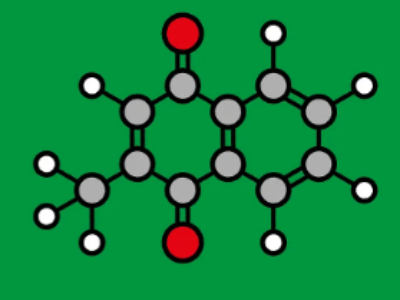
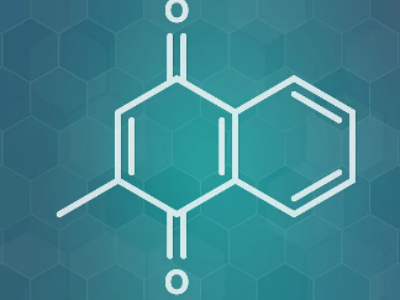
Menadione is a synthetic naphthoquinone compound lacking a side chain. Unlike plant-derived Vitamin K1 or fermentation/bacterial-derived Vitamin K2, Vitamin K3 does not occur naturally in food. In the body, menadione acts as a precursor to Vitamin K, converting into the biologically active menaquinone-4 (MK-4)—the tissue-specific form of Vitamin K.
II.Key Reasons Brands Consider Vitamin K3 for Supplement Formulations
Superior Chemical Stability During Production
Compared to natural Vitamin K1 and many forms of Vitamin K2, menadione demonstrates greater resistance to oxidation and photodegradation, as well as better tolerance to temperature fluctuations during manufacturing and shelf-life storage.
This stability simplifies large-scale blending processes for multivitamins, bone health products, and multi-ingredient formulations. Formulators can ensure consistent vitamin potency across batches and minimize the loss of active ingredients throughout the product's shelf life.
Cost-Effectiveness and a Reliable Supply Chain
Menadione is produced entirely through synthesis using established industrial processes. Compared to high-purity fermented MK-7 or premium Vitamin K2 raw materials, it often delivers higher Vitamin K activity at a lower unit cost.
For value-oriented supplement lines and large-scale nutritional fortification programs, it helps effectively control material costs while maintaining the labeled vitamin potency. Major global raw material suppliers offer stable, high-volume supplies of menadione products. 3. Unique Metabolic Precursor Properties
Menadione functions as a precursor: human tissues can convert it into MK-4. MK-4 is a crucial extrahepatic vitamin K isomer that facilitates the activation of osteocalcin, thereby supporting bone health and regulating soft-tissue calcification.
For formulators, this offers an alternative pathway to achieve vitamin K bioactivity without the direct addition of finished MK-4 or MK-7, opening up new avenues for developing supplements that support bone health, joint health, and anti-calcification functions.
Vitamin K3 vs K1 vs K2: Quick Formulator Comparison
| Item | Vitamin K3 (Menadione) | Vitamin K1 | Vitamin K2 (MK-4 / MK-7) |
| Origin | Synthetic provitamin | Plant-derived | Fermented / biosynthetic |
| Stability | High | Moderate | Low-Moderate |
| Solubility | Water-soluble (salts) | Fat-soluble | Fat-soluble |
| Cost | Low-Medium | Medium | High (especially MK-7) |
| Humansupplement regulation | Restricted / banned in major markets | Widely permitted | Widely permitted |
| Main historical use | Animal feed | Human supplements & food fortification | Premium bone-cardio supplements |
Critical Risks & Regulatory Limitations You Must Know
Despite formulation benefits, menadione carries well‑documented toxicity risks at higher doses that cannot be overlooked by brands:
High‑dose menadione may trigger hemolytic anemia, oxidative stress and liver‑cell damage, especially for infants and G6PD‑deficient individuals.
Important disclaimer: This blog is for formulation‑technology education only. It is not medical advice and does not constitute marketing approval for menadione‑containing human supplements. Brands must strictly follow local food‑supplement regulatory requirements before launching any finished product.
Email: sales@sxytbio.com
WhatsApp/phone: +86 17782577059